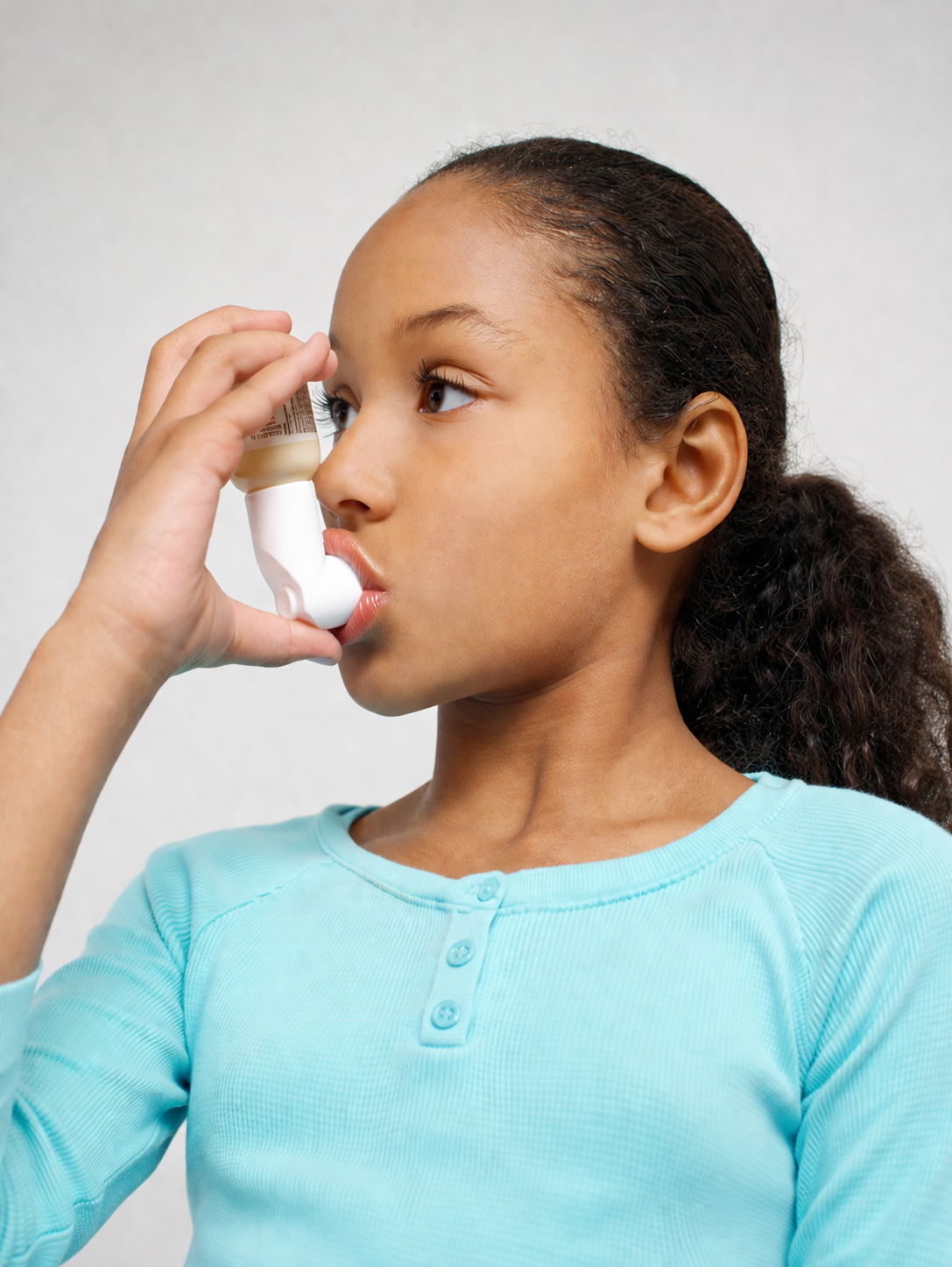
Asthma
People with asthma are often shown to breathe too much air, faster and harder than normal.
- Nasal congestion
- Coughing
- Breathlessness
- Wheezing
 The Breathing Effect
Book A Chat
The Breathing Effect
Book A Chat
Buteyko Clinic
A practical breathing method for restoring nasal, functional breathing, calming over-breathing and changing long-standing patterns.

How did it start?
In the late 1940s and early 1950s, Konstantine Buteyko developed what is now known as the Buteyko Method. After watching patients with respiratory issues, he realised that symptoms often developed as breathing rates increased.
By reducing and normalising his patients' breathing, huge improvements were achieved. Millions of people across the world with sleep apnea, snoring, asthma and other breathing-related disorders have used his method to reduce or even eliminate problems.
Dr Buteyko also had his own health issues, including high blood pressure. His insight was that the illness was not simply making him breathe faster; the breathing mechanism and hyperventilation were helping to create symptoms and associated conditions.
Although breathing is involuntary, it is sensitive to everyday stress, processed foods, sedentary lifestyles, talking, what we drink and many other environmental factors.
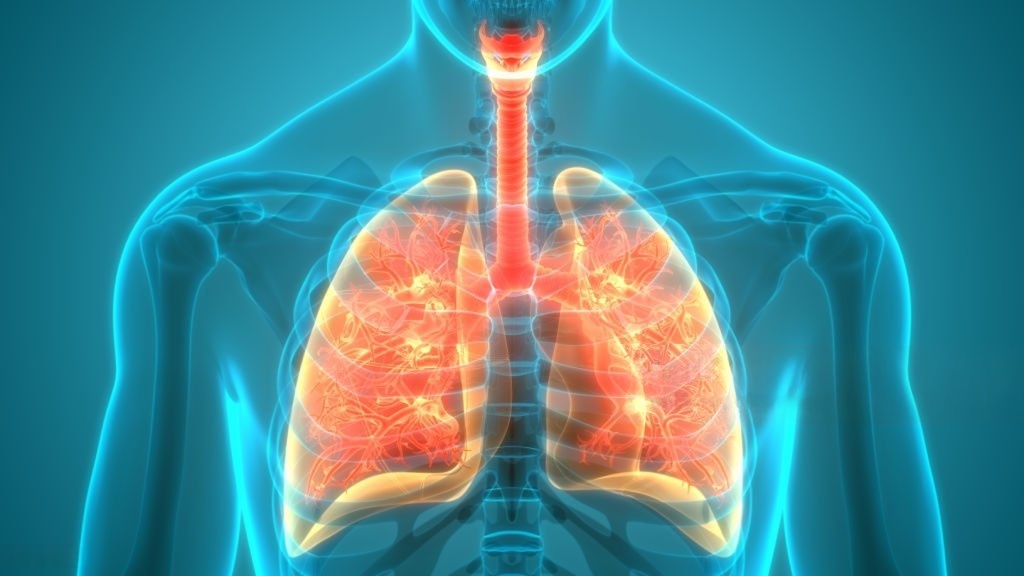
Dysfunctional breathing
Common symptoms reported by people with poor breathing patterns include the inability to take a satisfying breath, breathlessness in normal circumstances or during physical exercise.
These patterns can contribute to more serious life-limiting issues, including asthma, wheezing, coughing, blocked nose, chest tightness, snoring, sleep apnea, dizziness, irritable bowel symptoms, headaches, rhinitis, hay fever, panic attacks, anxiety, stress and general exhaustion.
Breathing patterns have a profound impact on health.

What are the basics?
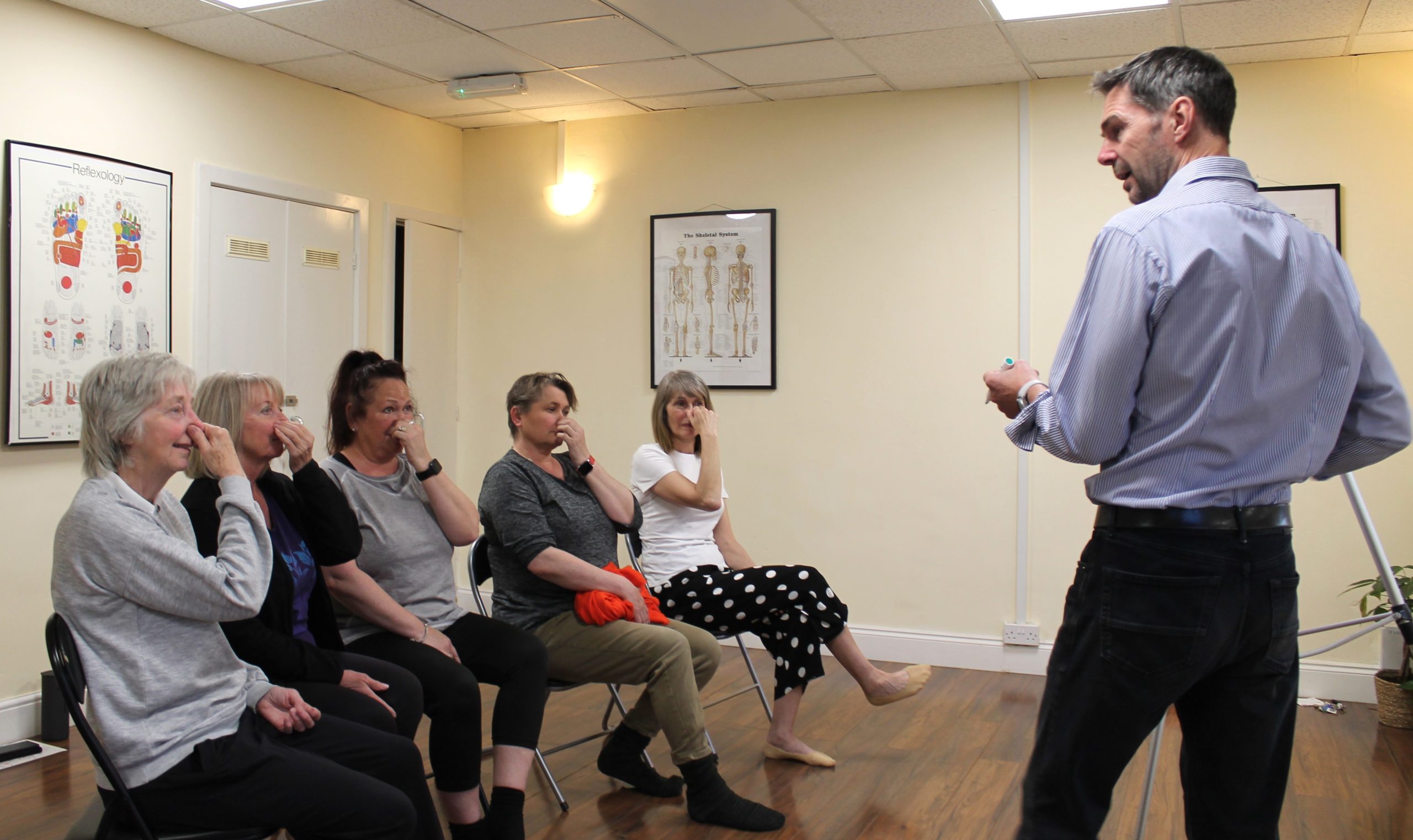
The Buteyko Method involves exercises to decongest the nose, switch to nasal breathing and restore functional breathing patterns. Progress is measured by a special breath-hold test called the Control Pause.
The application is direct, and students should experience notable improvements to breathing and health within a few days.
Good breathing should start early
Breathing through the mouth can affect a child's life, including facial development, jaw position, teeth, nose, eyes, respiratory development and cognitive development.

Buteyko can transform a life
The world is finally waking up to the realisation that breath and how we breathe are fundamental to biochemical, biomechanical and psychological wellness.
Asthma alone is a multi-billion dollar global industry. That should encourage people to look for alternatives that are not just chemicals and potions masking the problem.
Thanks to Patrick McKeown, Wim Hof, a growing body of coaches and instructors, YouTube and social media, this information is now getting out there.
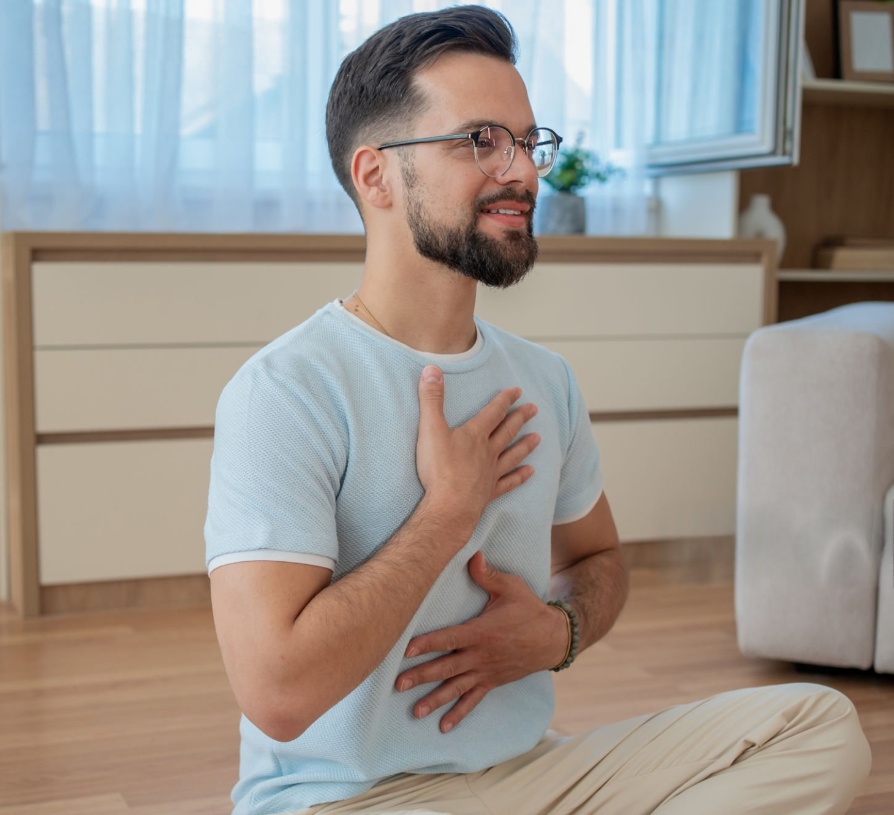
Can Buteyko breathing help me?
A Buteyko course can help with many modern autoimmune and stress-related patterns by re-educating the way you breathe.
People with asthma are often shown to breathe too much air, faster and harder than normal.
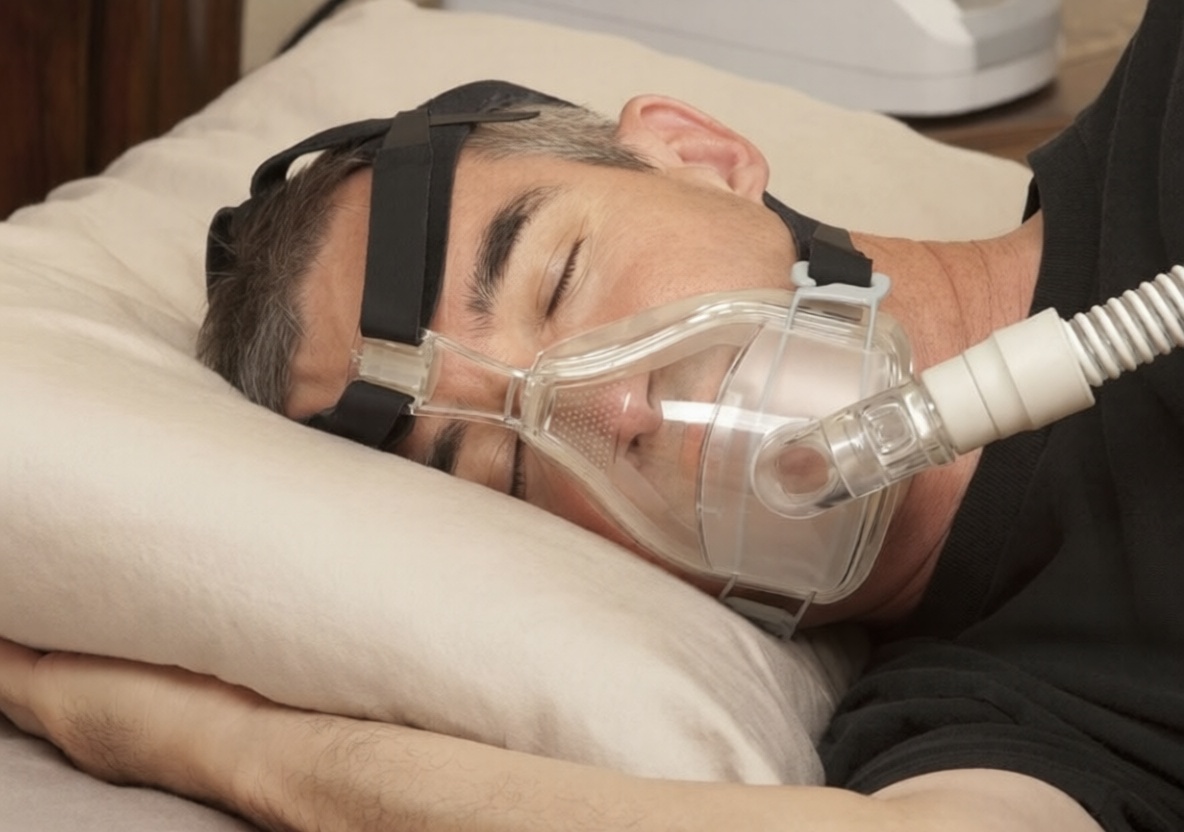
Insomnia, snoring and obstructive sleep apnea are extremely common, and over breathing can keep the sympathetic nervous system switched on.
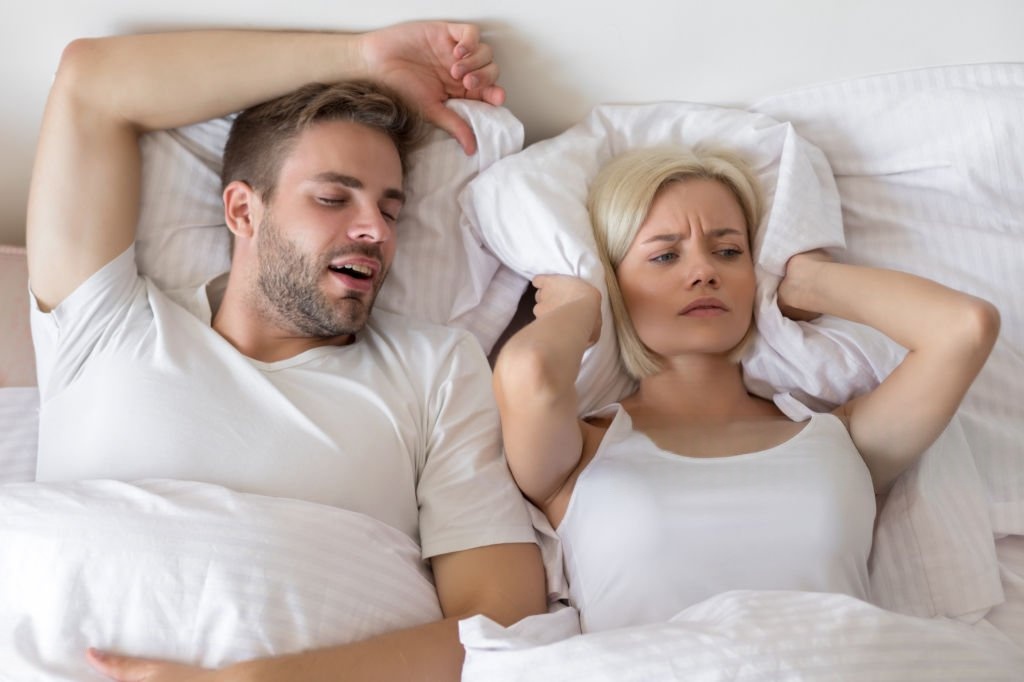
Snoring and sleep apnea can lead to disturbed sleep, waking tired, dry mouth, headaches and daytime exhaustion.

Stress and anxiety can activate the same body response. Breathing work helps calm habitual over-breathing and sympathetic arousal.

To lower blood pressure naturally, look first to your breath and the daily patterns that keep the body switched on.
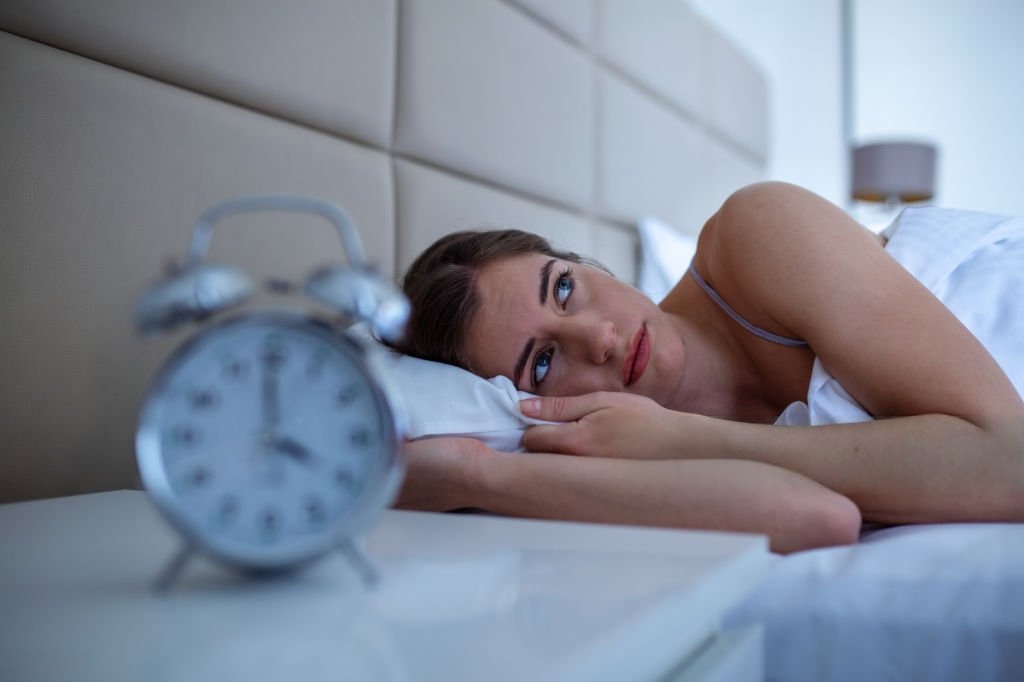
Chronic stress and anxiety can have serious physical effects, especially when habitual hyperventilation becomes normal.
Buteyko breathing can help throughout life.
The Breathing Effect
Some people can. There is a lot of free information available, but having a coach and guidance helps accountability and is often a better investment in success.
From consultation to a usual five-week course, the investment can range from GBP40 to GBP500. One-to-one coaching at home costs more than an online course, and group training can be another route.
You can feel results quickly if you do the work as guided. Often large improvements show after two to three weeks. This is a change for life, not a breathing class followed by old habits.
Within reason Terry will travel, especially for the initial first session. Costs and expenses are adjusted accordingly.
The information has always been available, but social media and modern breath ambassadors are now changing old paradigms across health education.
A matter of pride
Having seen and facilitated remarkable life changes in people, Terry speaks plainly: there is no magic here, just common sense, knowledge, coaching and encouraging the body to heal itself.
Dr Buteyko was treated so badly by the medical establishment in Russia for his divergence, yet he carried on regardless. Thanks to this courage, millions of people now have access to his work and legacy.
Starting at home
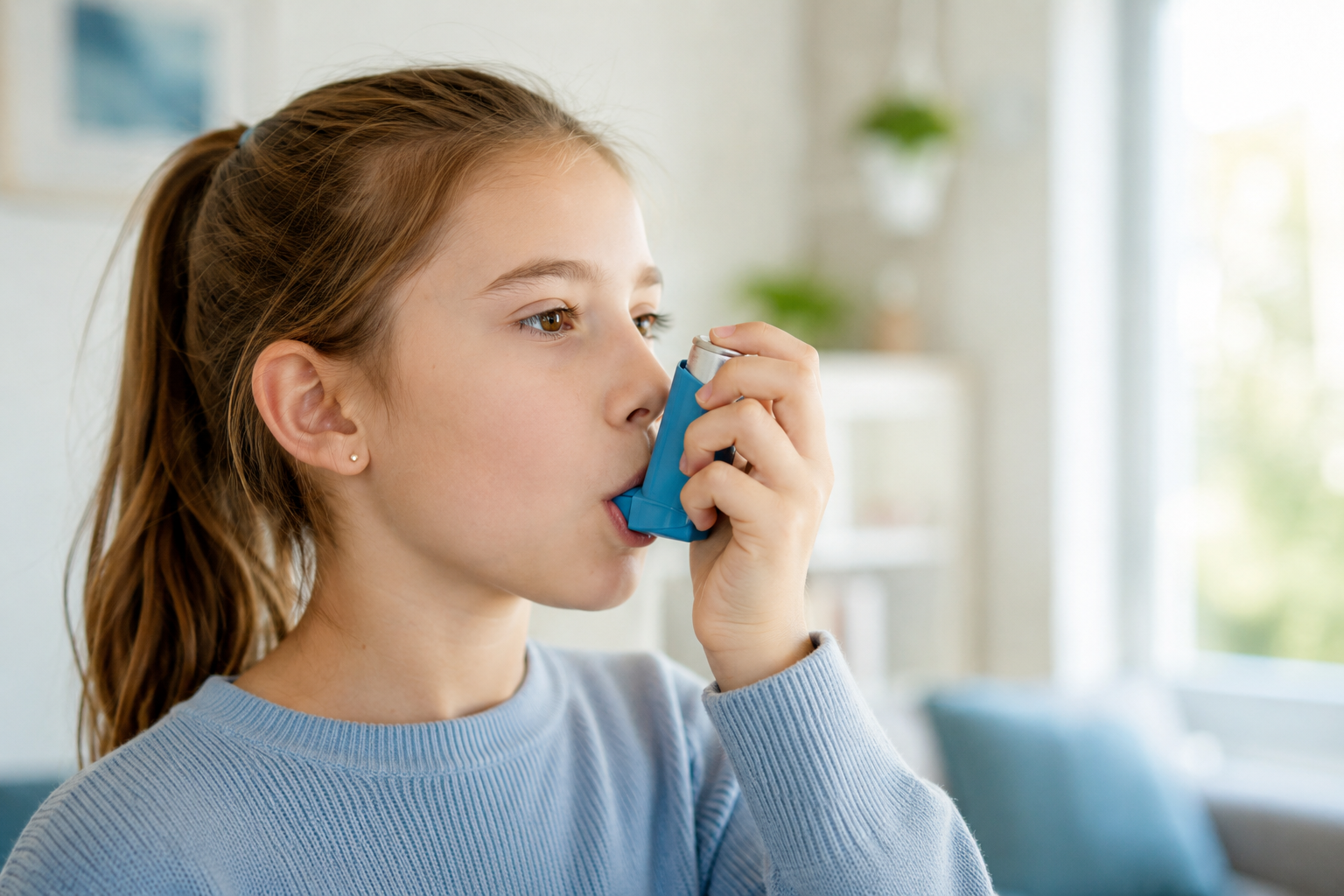
Terry's young daughter had asthma, a dry mouth in the mornings and was mainly a mouth breather particulalry at night. She is now free of inhaler chemicals, breathing properly, and her school work and health are vastly improved.
It is not a miracle. It is education, common sense, guidance and love. Ancient civilisations knew the value of keeping the mouth shut and breathing through the nose.
Modern western dogma ignored it.
George Catlin published The Breath of Life in 1862 after living with Native American tribes. His simple advice was clear: SHUT YOUR MOUTH!
Please watch
Ready for change now?
If you have watched the film, the power of breath and Buteyko should now be clear. You do not have to go through your struggles alone.
90% of people breathe erroneously. Join the 10%. Make the decision to change from the way you breathe now.
Book An Appointment
Feel free to call for a 15 minute informal chat. Alternatively, schedule a Zoom meeting for a 45 minute consultation and start there.